Sir, the Show Is Over: 2026 Exit Protocols for the Queer Comedy Closer Holding the Room Hostage
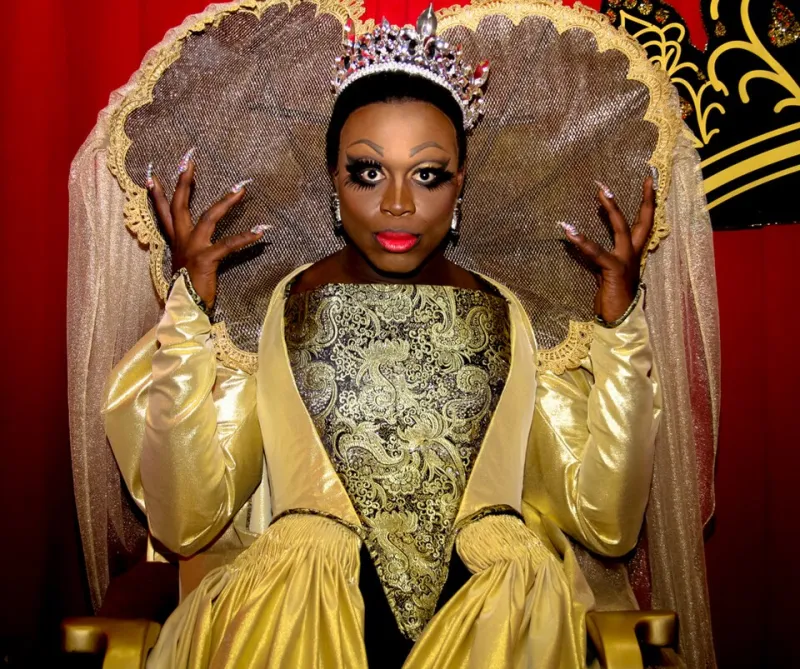
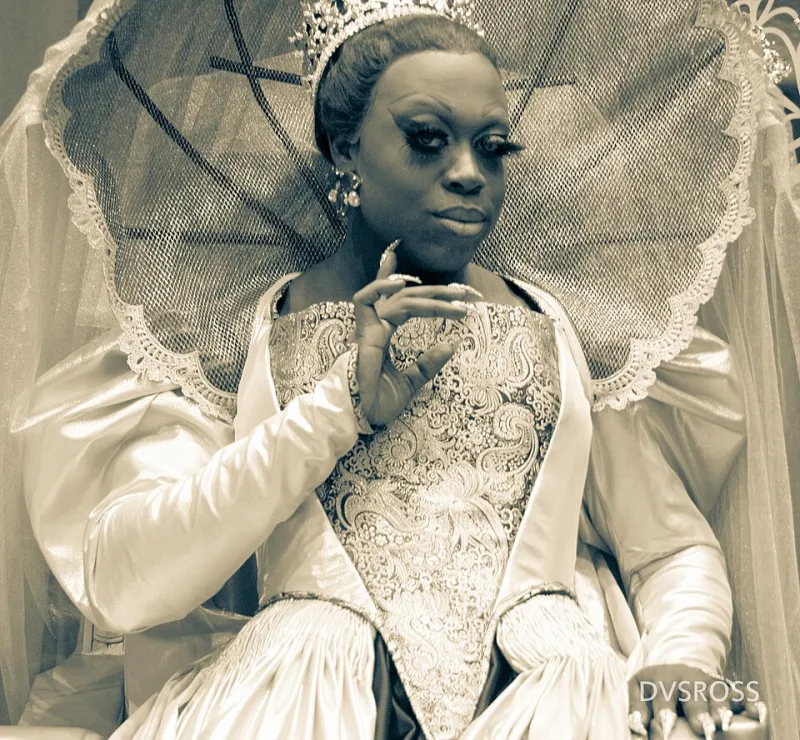
Photo: https://www.flickr.com/photos/dvsross/, CC BY 2.0, via Wikimedia Commons
The final punchline lands. The crowd laughs, claps, and then—nothing. The lights stay low. The host grips the mic like it owes them money. Somewhere near the bar, a person who has already put on their coat makes eye contact with the exit sign and begins to calculate whether they can crawl there without being perceived.
Welcome to the closer-to-exit gap: the strange, sticky limbo between a queer comedy show’s actual ending and your actual departure. In 2026, with every podcast, group chat, and thirst-followed comedian launching a live tour, this gap has widened into a full-blown programming crisis. The two-minute standing ovation is no longer applause. It is a group project, a social contract, and—if we’re being honest—a soft hostage situation with a QR code.
The Standing Ovation Has Become a Group Project
We need to name the thing. A standing ovation should be a spontaneous burst of joy, not a civic duty performed by an audience that fears being the first to sit down. But queer audiences are chronically over-trained in the art of being “too much,” so we overcorrect by refusing to leave. We clap until our palms sting. We whoop when the performer says “thank you.” We stand because sitting feels like a hate crime against the community.
Meanwhile, the host sees the applause and does the math: They love me. I should do one more thing. Reader, there is never just one more thing. There is a thank-you list, a podcast plug, a story about the venue’s ghost, and a sudden, devastating urge to acknowledge the bartender by full government name.
Red Flags That Your Show Is Entering Hostage Territory
You can usually spot the danger before the closer even says “last one.” Watch for these tells:
- The host adjusts the mic stand after the encore. Nothing good happens after a second mic adjustment.
- Someone thanks the venue’s plant. It is a fake plant. The plant does not need equity.
- A QR code appears onstage after the curtain call. That is not a plug; that is a ransom note.
- The performer does a fake walk-off, returns, and says, “I forgot one.” They did not forget one. They are holding the room like a sourdough starter.
- It is 10:48 p.m., the venue curfew is 11:00, and someone says, “We have time for one more.” That is not optimism. That is a crime scene.
Exit Rituals, Ranked by Crowd-Retention Damage
Not all closers are created equal. Some are elegant. Some are emotional. Some are a human being reading their own LinkedIn recommendations out loud while you stand in a coat that is now too warm. Here is the 2026 field ranking, from catastrophic to blessed.
| Exit ritual | Crowd-retention damage | Your survival odds |
|---|---|---|
| The Sincere Thank-You Loop | Severe. Thanks the sound person, the bar, the intern, the ghost of Stonewall, and the concept of Tuesdays. | Low. Start edging toward the back at “and finally.” |
| The Fake Mic Drop / Real Mic Drop | Moderate to fatal. Fake drop is camp; real drop is an insurance claim. | Medium, if you leave during the bend-and-retrieve. |
| The Group Photo From Stage | High. Everyone is now in a picture they did not consent to and cannot untag themselves from in real life. | Low. The photo will be posted before you reach the sidewalk. |
| The Call-and-Response Encore | Moderate. “Can I get a witness?” is not a question; it is a binding contract. | Medium. Respond once, then flee. |
| The Podcast Plug With QR Code | High. You will scan it. You will regret it. You will still listen. | Medium-low. Pretend your phone died. |
| The Venue-Curse Eulogy | Severe. A ten-minute meditation on gentrification delivered while the bartender stacks chairs. | Low. The bartender is your ally. Follow the chairs. |
| The Abrupt Lights-Up | Blessed. Holy. A gift from the gods of curfew. | High. Go in peace. |
Scripts for the Trapped Audience Member
You do not have to be rude. You just have to be free. Try one of these, delivered with the confidence of a person who has already paid their tab:
- “I’m gonna head out before the encore gets its equity card.”
- “My parking meter is a Republican and it’s about to filibuster.”
- “I have to go feed my sourdough starter. Her name is Cher.”
- “This was amazing. I’m leaving now so the memory stays perfect and my babysitter stays employed.”
- “I’m not leaving because I don’t love you. I’m leaving because I do, and I respect your curfew.”
For hosts, the fix is simpler than you think. Have a hard-out signal—ideally a venue manager with a flashlight and the moral clarity of a person who wants to go home. Keep the thank-you list short enough to fit on a coaster. Pre-record the plug. And never, ever ask “should we do one more?” in a city with a noise ordinance and a morning-after group chat that will discuss your choices for six to eight business days.
The Best Ending Is a Clean One
The two-minute standing ovation is not a demand for more content. It is a room full of people trying to say thank you without saying goodbye. That’s beautiful. It’s also how you end up missing the last train while a comic tells a story about a cab driver who once called them “brave.”
So let’s normalize the graceful landing. The mic goes down. The lights come up. The host says a tight, sincere thank-you and means it. The audience exhales, grabs their coat, and spills onto the sidewalk with the specific queer joy of a night that ended exactly when it was supposed to. You can always post your thirst edit later. The group chat is already waiting.