The 7 A.M. Slot of Death: An Oral History of the Daytime TV One-Hit Wonder Who Vanished Before Lunch
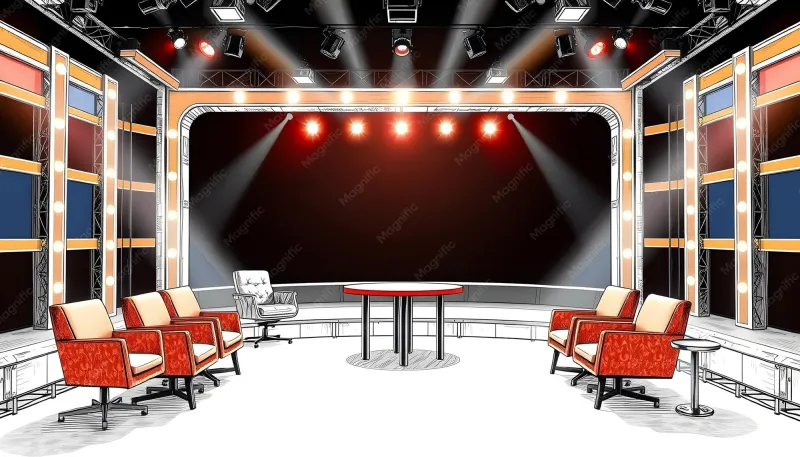
Photo: retro daytime talk show set empty studio chairs morning television, via img.freepik.com
Every decade, it happens. A queer comedian with a suitcase full of material and a booking agent with nothing left to lose lands the 7 a.m. slot on a daytime talk show — the slot reserved for dog groomers, women who crochet American flags, and, apparently, one dazzlingly unprepared lesbian with a joke about airport security. For nine minutes, she is the most famous queer person in America. For the rest of history, she is a rumor.
We spoke to former bandmates, failed managers, and one very tired publicist to reconstruct what actually happened. Names have been withheld, mostly because nobody could remember them.
The Booking: A Clerical Error That Changed Everything
"I booked her as a favor to someone I owed money to," admits the former talent coordinator, who now sells meal-prep supplements on Instagram. "The brief said 'funny, family-friendly, quick.' She was two of those things."
The performer — referred to here only as "The Headliner" out of respect and possible litigation — arrived at the studio at 5:45 a.m. in a sequined blazer that one witness described as "Elton John meets a Sweet 16." She had four minutes of material. The segment was seven.
"That math," sighs the publicist, lighting what we assume is not her first cigarette of the day. "That math is the whole story."
The Nine Minutes: America Whoops Back
What happened next is the stuff of queer folklore. The Headliner opened with a bit about TSA confiscating her "emotional support chappal," and the studio audience — a wall of women in图案-free cardigans clutching coffee mugs — did not laugh so much as whoop. A full, spontaneous clap-along broke out. The host, visibly delighted and possibly concussed from the early hour, invited her to sit on the couch. She was not booked for the couch.
"The clip hit the internet by 9:15," recalls the former keyboardist from her two-piece band, a woman who has since founded a nonprofit and would like to state the band broke up for creative reasons. "By lunch she had a million views. By dinner, brands were in her DMs. By Thursday, she had fired me. Which, honestly? Fair."
For one shining week, The Headliner was everywhere: a podcast appearance, a regional morning show in Cleveland, a think piece titled "Is Daytime TV Ready for a Queer Comedy Renaissance?" (It was not. It was barely ready for a segment about slow cookers.)
The Vanishing: A Cruise Ship Named Denial
Then, the record goes quiet.
"There was a manager," says the publicist, wearily. "There's always a manager. He booked her a national tour of comedy clubs that were, and I want to be clear, mostly casinos near airports. The material didn't translate. You can't do a whoop-along joke to nine guys watching you over a plate of prime rib at 4 p.m. on a Tuesday."
The final confirmed sighting: a headlining residency on a mid-tier cruise line, performing in a lounge wedged between the buffet and the gift shop. "She was phenomenal," insists one passenger, reached via a Facebook group for cruise enthusiasts. "My husband cried. He said it was the smoke machine."
The Legacy: We Do This Every Ten Years, Apparently
Here's the thing — The Gayest Show on Birth does not consider this a tragedy. We consider it a cycle. Like cicadas, or the Met Gala theme being bad. Once a decade, a queer comedian pierces the daytime mainstream, the aunties of America whoop for her, and she is assumed into a higher plane of regional bookings before the algorithm can finish its sentence.
She is not gone. She is simply operating at a frequency straight television cannot sustain. Somewhere right now, on a ship bound for Cozumel, she is doing that TSA bit, the smoke machine is working, and for four and a half minutes, she is the gayest show on earth.
Suggested frequency: once a decade. No more. No less.