From Ballroom to Boardroom: The Extremely Profitable History of Queer Humor (and the Corporations Circling It Like Sharks in a MAC Store)
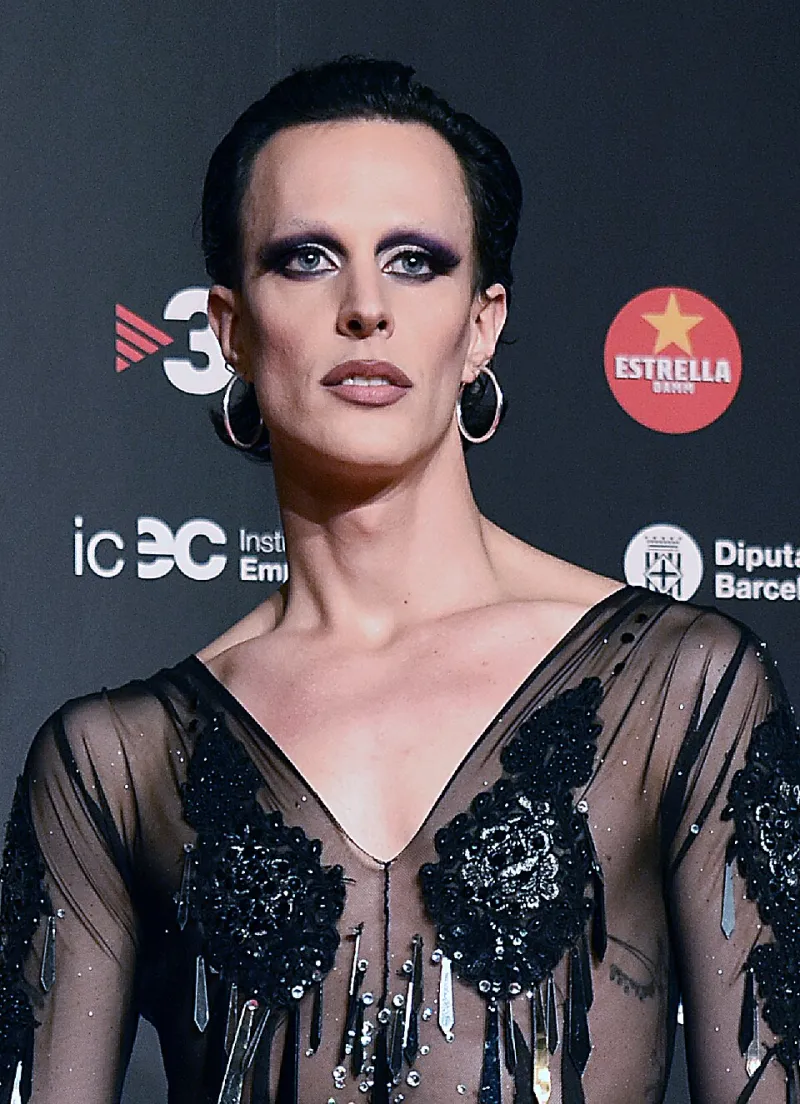
Photo: GuillemMedina, CC BY-SA 4.0, via Wikimedia Commons
There's a moment that happens every few months in corporate America: a brand with the personality of a fax machine posts something like "the math ain't mathing" or "not the [product] doing THAT," and queer people across the country collectively sigh, look at the ceiling, and whisper, "we did that. That was ours."
This is the lifecycle of queer humor in the digital age — a pipeline that runs from a ballroom in Harlem to a marketing brainstorm in a Chicago high-rise, usually in under eighteen months. Today, we're tracing the whole journey. Put on your reading glasses. Yes, the rhinestone ones.
The Origin Story: Shade Was Never Free
Let's be clear about the lineage, because erasure is not a good look on anybody. The vocabulary of internet comedy — reads, shade, throwing it, the entire grammatical architecture of the quip — was built by Black and Latino LGBTQ+ communities in ballroom culture, documented in the late '80s and '90s, and carried forward by drag performers when the rest of the country wasn't watching. Because they never are.
Then came reality TV, and specifically one franchise featuring fourteen strangers, a judge with a wig collection of national significance, and a catchphrase-to-quotable ratio that has never been matched. Drag race gave mainstream America a phrasebook. "Sashay away" entered the suburban lexicon. Your aunt said "werrrk" at Thanksgiving. It was over for all of us.
Stan Twitter: The Comedy Conservatory Nobody Paid Tuition For
Here's the thing about queer humor online: it's not just jokes. It's an economy.
Stan Twitter — that chaotic ecosystem of fandom accounts with usernames like "[celebrity's] worst nightmare" — became an informal comedy conservatory where queer creators perfected a very specific craft: the hyper-specific observation, the screenshot with devastating caption, the reply that ends a stranger's entire career in nine words.
This humor is built on three pillars:
- Precision. "It's giving 2009 regional mall" is funnier than "this is bad" because specificity IS the joke.
- Community literacy. Half the humor requires context — a months-old screenshot, a drag quote, a celebrity's most unhinged interview moment. Getting the joke means you're inside.
- Speed. By the time a joke trends, its creator has already moved on to three new formats.
That third pillar is why corporations can never quite keep up. By the time a meme reaches a brand's content calendar — which requires, we assume, seventeen approval meetings and a legal review — the joke has been dead for a month and is survived by three children.
The Corporate Migration: When the Joke Gets a 401(k)
But somewhere along the line, the mainstream figured out that queer humor converts. Drag catchphrases became ad campaigns. Ballroom terminology started appearing in fast-food marketing. A certain energy drink brand built an entire identity on being "in on it."
And here's where we, as a community, have to ask the uncomfortable question: what happens when the joke goes corporate?
Because the pattern is consistent. Queer creators innovate out of necessity — humor as armor, as community glue, as a way to survive rooms that weren't built for us. The mainstream consumes the output without the context. The brand campaign keeps the catchphrase and drops the community that coined it, the way you might keep the gift bag and skip the wedding.
Worst of all: the corporations often pay the culture's originators nothing. The drag queen who said the phrase gets a follower count. The brand that used it gets a Super Bowl spot.
The Reclamation Clause
But here's the plot twist, and it's a good one: queer humor keeps evolving faster than the machine that mines it. The moment "slay" became a corporate email sign-off, the internet birthed something new. The moment brands learned one dialect, we invented another.
That's the actual superpower here. Queer comedy was never just vocabulary — it's a survival mechanism with a built-in update schedule. You can trademark a phrase. You cannot trademark the instinct that made it funny.
So yes, take the catchphrases. Put them on your packaging. We'll be three trends ahead, funnier, gayer, and significantly better dressed, building the next thing in a group chat you're not in.
The joke was never ours to gatekeep. But the laugh? That one's still homegrown, baby. And it doesn't do brand deals.